
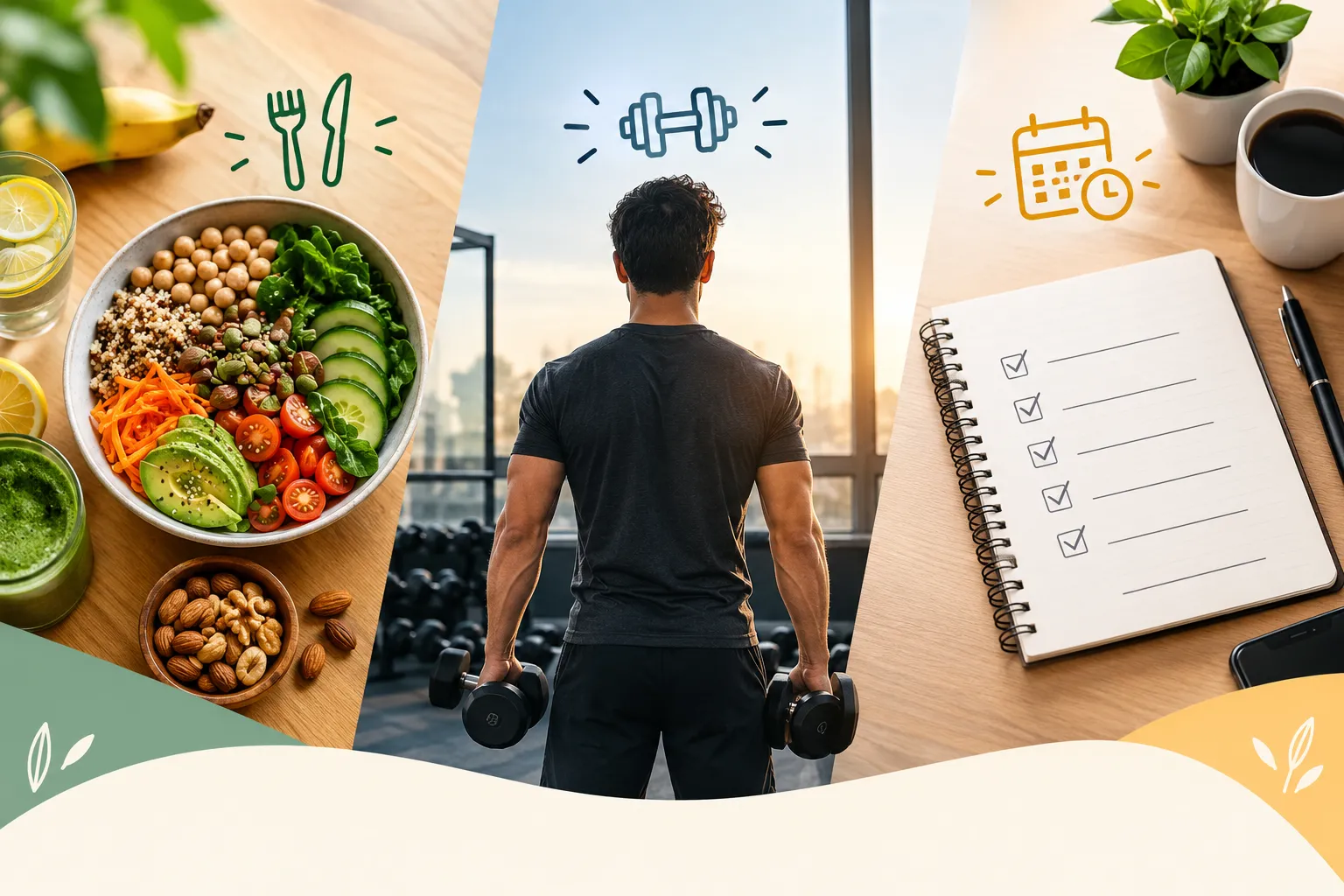
Using ChatGPT for daily life works best when you treat it as a planning partner, not an oracle. It can turn a fridge full of random ingredients into a dinner plan, sketch a beginner workout, untangle an overloaded week or suggest a hobby that fits your interests, all in under a minute. The catch is that you still need to check anything that touches your health, money or privacy.
This guide walks through six everyday areas where the chatbot genuinely helps, gives you prompts you can copy, and explains where its advice stops being reliable.
Key takeaways
- ChatGPT is strongest at structure and ideas: plans, lists, schedules and starting points.
- The more context you give (goals, constraints, time available), the more personal the answer.
- Nutrition, fitness and mental health answers are general guidance, never a replacement for a qualified professional.
- Keep sensitive personal details out of your prompts and review your data settings.
- Verify numbers such as calories, dosages or deadlines against trusted sources.
Why use ChatGPT for daily life at all?
Most self-improvement plans fail at the first step: figuring out where to begin. Searching for a recipe, a training plan and a productivity method means opening dozens of tabs and reconciling conflicting advice. ChatGPT collapses that research into a conversation. You describe your situation once, then refine the answer with follow-up questions.
That conversational loop is the real advantage. A blog post cannot adjust itself because you hate running or only have 20 minutes on weekdays. A chatbot can, instantly.
The prompt formula that makes every answer better
Generic questions get generic answers. Before trying the use cases below, build your prompts from four parts:
- Goal – what outcome you want (lose some body fat, cook faster, stop missing deadlines).
- Context – your starting point, such as fitness level, schedule, budget or dietary restrictions.
- Constraints – time limits, equipment, ingredients you dislike, days you are unavailable.
- Format – how you want the answer: a table, a checklist, a seven-day plan.
For example, instead of "give me a workout", try: "I'm a beginner with 30 minutes, three evenings a week, and only a pair of dumbbells. I want a stronger core and to lose a little fat. Give me a four-week plan as a table."
1. Plan healthier meals without the research
Diet is often the habit with the largest knock-on effect, and it is also the one people find hardest to research. ChatGPT helps in two distinct ways.
Learn the basics
Ask broad questions to build understanding, such as "Which everyday foods support a healthy immune system, and why?" Then ask it to turn the answer into a shopping list. Cross-check the principles against reliable references like the World Health Organization's healthy diet fact sheet.
Cook with what you already have
If you know the theory but are stuck for ideas, list the contents of your fridge and pantry and ask for three quick recipes. Add constraints such as "under 25 minutes", "one pan" or "high protein". This is one of the most satisfying ChatGPT uses because it cuts food waste as well as decision fatigue.
2. Build a fitness routine that fits your week
Whether you prefer jogging, weights or yoga, the hardest part is often designing a routine you will actually follow. ChatGPT can draft one in seconds if you are specific about your goals, your current level and the equipment you own.
Try: "Create a routine I can do three or four times a week at home. My main goals are reducing body fat and building core strength. Include warm-ups and rest days." Then ask it to scale the plan up or down after a week based on how it felt.
Two cautions apply. The chatbot cannot see your form or know about injuries unless you mention them, and a plan that looks balanced on screen may still be too much too soon. If you have a medical condition, talk to a doctor or qualified trainer first.
3. Use it as a sounding board for stress
A good diet and regular exercise do not automatically fix burnout, stress or low mood. Many people find it useful to talk through a problem, such as the end of a long relationship or friction at work, with a patient, always-available listener. ChatGPT can suggest coping strategies, help you reframe a situation or draft a difficult message.
It is important to be clear about what it is not. The chatbot simulates empathy; it does not understand you, and it is not a therapist. If you are struggling, reach out to a friend, a professional or a local helpline. The WHO's mental health resources are a sensible starting point for finding real support.
4. Turn chaos into a realistic schedule
Procrastination thrives on vague to-do lists. Paste your tasks, deadlines and fixed commitments into ChatGPT and ask it to:
- rank tasks by urgency and importance,
- break a large project into steps with dates,
- build a daily time-blocked plan with breaks,
- suggest which low-value tasks you could drop or delegate.
Getting more done in a day brings a sense of accomplishment that lifts mood, which feeds straight back into the wellbeing goals above. For more ideas, browse our productivity guides.
5. Discover a hobby that actually suits you
Hobbies are a proven way to recharge, yet choosing one can feel overwhelming, especially if you want something more involved than a casual pastime. Tell ChatGPT what you already enjoy, the skills you have, your budget and how much free time you realistically get each week. Ask for five suggestions with a first-week plan for each.
Once you pick one, keep going: ask for a beginner learning path, common mistakes, or practice exercises. Aspiring writers can even use it to brainstorm plot ideas and outline stories, though the writing itself is more rewarding when it is yours.
6. Quick prompt cheat sheet
| Goal | Prompt to try | Double-check with |
|---|---|---|
| Eat better | "Plan five weekday dinners under 30 minutes using chicken, rice and frozen veg." | Official nutrition guidance |
| Get fitter | "Design a beginner home routine, 3 days a week, no equipment." | A doctor or trainer if you have health issues |
| Reduce stress | "Give me five short techniques to calm down before a big meeting." | A mental health professional for ongoing issues |
| Manage time | "Turn this task list into a time-blocked plan for tomorrow." | Your real calendar and deadlines |
| Find a hobby | "I like music and puzzles and have 4 hours a week. Suggest hobbies." | Beginner communities for that hobby |
The limits you should keep in mind
It can be confidently wrong
ChatGPT writes fluent, detailed answers, and that polish makes errors easy to miss. Facts change, and the model can mix up figures or invent details. For anything based on hard science, such as calorie targets, nutrient values or medication questions, confirm with reputable bodies like the WHO or national health agencies.
Privacy matters
Avoid pasting in full names, addresses, medical records or financial details. Conversations may be reviewed or used to improve models depending on your settings, so check the data controls in your account and share only what the task needs.
It is a coach, not a professional
The chatbot can point you in the right direction, but certified experts, from dietitians to therapists, remain the right call when the stakes are high.
Frequently Asked Questions
Is ChatGPT good for making meal plans?
Yes, for ideas and structure. It can build weekly menus and shopping lists around your preferences. Verify nutritional numbers with an official source or a dietitian if you have specific health needs.
Can ChatGPT create a workout plan for beginners?
It can, and the results improve when you share your fitness level, available time, equipment and goals. Start conservatively and adjust based on how your body responds.
Is it safe to talk to ChatGPT about mental health?
It can offer general coping ideas and a space to organise your thoughts, but it is not therapy. Avoid sharing highly sensitive details and contact a professional or helpline if you are in distress.
How do I get more personal answers from ChatGPT?
Give it your goal, context, constraints and the format you want. Follow up with corrections such as "make it cheaper" or "I only have weekends free".
Final thoughts
ChatGPT for daily life is less about letting AI run your routine and more about removing friction: fewer blank pages, faster plans and quick answers to "where do I start?" Use it for ideas and structure, verify what matters, and lean on real experts for the big decisions. Want more AI tips? Explore our artificial intelligence coverage.






Comments